
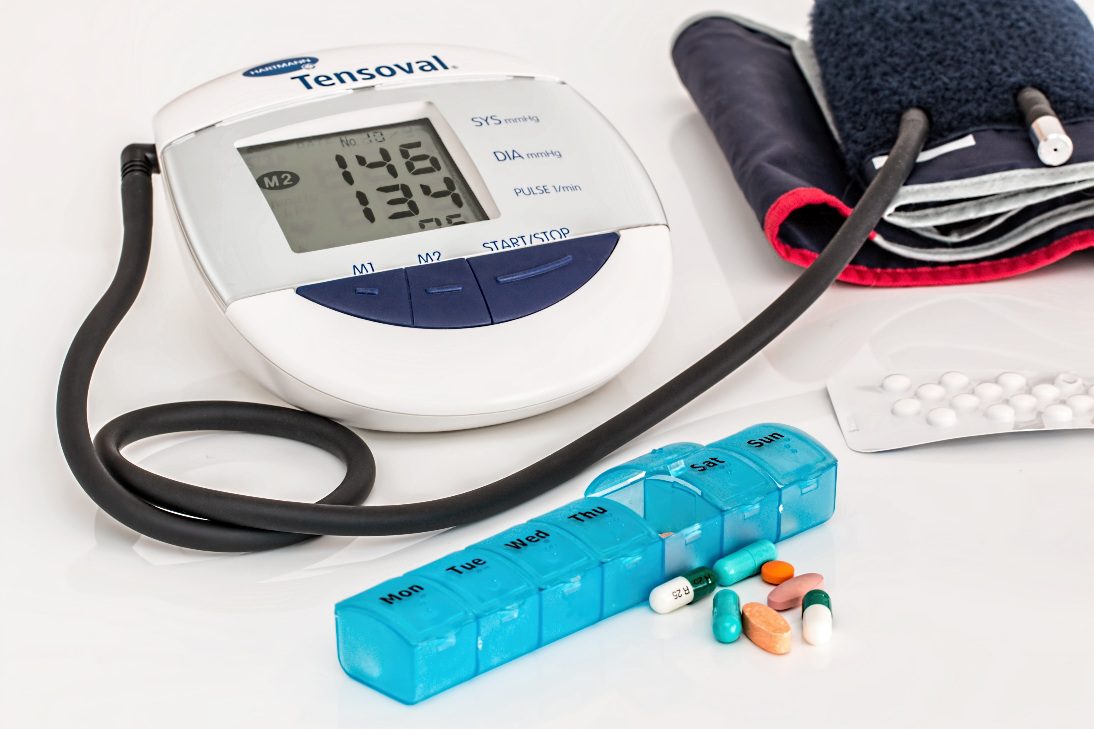
Image by Steve Buissinne from Pixabay
The Stalling Progress: Understanding Hypertension UK 2026
For decades, the United Kingdom made steady progress in the fight against high blood pressure. Between 2003 and 2011, average salt intake dropped by 15%, and cardiovascular mortality rates followed suit. However, as we move through 2026, a “silent” crisis has re-emerged. Recent trends show that the decline in hypertension prevalence has plateaued, and the number of undiagnosed cases is once again on the rise.
If you’ve noticed hypertension UK 2026 trending in UK health searches recently, it isn’t a coincidence. With millions of adults living with “the silent killer,” understanding the new landscape of blood pressure management is more critical than ever.
The Stalling Progress: Why 2026 is a Turning Point
Concerning hypertension UK 2026, Current data reveals a sobering reality: approximately 30% of UK adults; around 15 million people have hypertension. Most concerningly, an estimated 4.2 million of those individuals are either undiagnosed or not receiving treatment.
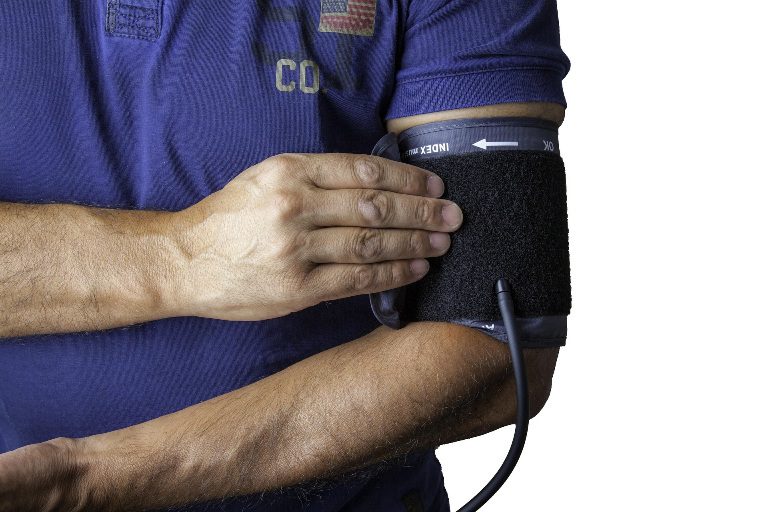
Image by geraldoswald62 from Pixabay
The “stall” in progress is largely attributed to inconsistent food industry compliance with salt reduction targets and a shift in post-pandemic lifestyle habits. While mortality from strokes and heart disease fell sharply in the early 2000s, those gains are now under threat as average salt intake remains nearly 40% higher than the government’s recommended maximum of 6 grams per day.
The “1.1g” Opportunity: Hidden Salt in the UK Diet
When we talk about hypertension UK 2026, one of the most significant discussions in UK health today revolves around the “1.1g shift.” Researchers have modeled that if the UK fully met its current salt reduction targets, reducing daily intake by just 1.12 grams, it would prevent 103,000 cases of ischemic heart disease and 25,000 strokes over the next 20 years.
The challenge for most Britons isn’t the salt shaker on the table; it’s the “hidden” salt in everyday staples. Bread, cereals, pre-made sauces, and ready meals account for the vast majority of sodium intake. In fact, recent analysis by the British Heart Foundation (BHF) suggests adults in England consume the salt equivalent of 155 bags of crisps every single week.
Deciphering the Latest 2026 UK Guidelines
If you are diagnosed with hypertension in 2026, the National Institute for Health and Care Excellence (NICE) guidelines prioritize a combination of accurate monitoring and a stepwise medication logic known as the “A/C/D algorithm”.
Confirming the Diagnosis
Clinicians no longer rely solely on a single high reading in a doctor’s office, which can be inflated by “white coat syndrome.” To confirm hypertension (Stage 1 is typically defined as 140/90 mmHg or higher), patients are now encouraged to use:
Ambulatory BP Monitoring (ABPM): A wearable device that takes readings over 24 hours.
Home BP Monitoring (HBPM): Using a validated home device to record twice-daily readings for at least four days.
2. The A/C/D Algorithm
Treatment is tailored based on age and ethnicity to maximize effectiveness:
Step 1 (A): ACE inhibitors (like Ramipril) or ARBs (like Losartan) for those under 55 who are not of Black African or Caribbean origin.
Step 1 (C): Calcium Channel Blockers (like Amlodipine) for those over 55 or of Black African/Caribbean family origin.
Step 2 & 3 (Combination): If Step 1 isn’t enough, doctors combine these with (D) Thiazide-like diuretics to reach targets.
How to Fight Back: Actionable Steps for 2026
While medical intervention is vital, the “Missing Millions” of undiagnosed Britons can take control through immediate lifestyle shifts.
Know Your Numbers
The annual “Know Your Numbers! Week” (typically in September) remains the UK’s biggest blood pressure testing event. Don’t wait for an annual check-up—home monitoring is now considered the “easiest and most reliable way” to track your heart health.
Aim for the 3g Long-Term Target
While the current UK maximum is 6g of salt, NICE has recommended a long-term population target of 3g per day by 2025/2026. Achieving this requires aggressive label-reading and opting for “no added salt” versions of pantry staples.
Prioritize “MVPA”
New research in early 2026 highlights the power of Moderate-to-Vigorous Physical Activity (MVPA). Even for those already on medication, getting at least 150 minutes of moderate activity per week significantly reduces the risk of cardiovascular mortality compared to those with low activity levels.

Image by Kumar Sharma from Pixabay
Conclusion
Hypertension is often invisible, but its impact on the UK’s National Health Service is immense, costing an estimated £2.1 billion annually. By staying informed about hypertension UK 2026 on the latest NICE guidelines and making small, sustainable dietary changes, you can ensure you aren’t part of the “Missing Millions.”
Always consult with an NHS professional or qualified healthcare provider before starting new medications or making significant changes to your diet.
Sources:
1. NICE: Hypertension in adults: diagnosis and management (NG136).
2. British Heart Foundation: Analysis of UK salt intake and health impact.
3. Journal of Public Health: Modeling study on 2024 UK salt reduction targets.
4. Health Survey for England: Trends in hypertension prevalence (2003-2021).