

Image by mat_hias from Pixabay
The 2026 Wealth Shift: Navigating the UK Government Council Tax Changes 2026
For millions of households across England, Scotland, and Wales, April has brought more than just spring showers; it has brought a fundamental shift in local taxation. The UK Government Council Tax Changes 2026 represent the most significant overhaul of the system since the early 1990s. While the government claims these “Fairer Funding” reforms are designed to balance the books, for many families, the critical question remains: how much more (or less) will I be paying?
Understanding these changes is no longer just about reading a bill; it is about strategic financial planning. Here is the essential breakdown of what the 2026 landscape looks like for your wallet.
The End of “Outdated” Banding: The New 2026 Valuation Model
The core of the UK Government Council Tax Changes 2026 is the move away from 1991 property valuations. For decades, council tax was based on what a house was worth over 30 years ago, leading to massive regional inequalities. This April, the new “Rolling Valuation” system has officially taken effect.
Under this new model, properties are assessed based on modern market data. While this means some homeowners in the North of England may see a welcome decrease in their bills, those in high-growth areas like London, Manchester, and Bristol are facing steep increases. The vital takeaway here is that your “Band” may have shifted for the first time in a generation, and checking your new assessment on the GOV.UK portal is the first step in managing your 2026 budget.
The 5% Threshold: Why Most Bills are Rising
Even without a band change, the UK Government Council Tax Changes 2026 allow local authorities to increase rates by up to 5% without a referendum. This includes a 3% “Core” increase and a 2% “Adult Social Care Precept.”
In 2026, nearly 90% of councils have opted for the maximum increase to combat the rising costs of social care and infrastructure. For a Band D property, this translates to an average increase of over £100 per year. This harsh reality is part of a broader “Fiscal Drag” that the UK government is utilizing to fund local services that have been underfunded for years. It is a delicate balancing act between maintaining services and protecting the taxpayer.
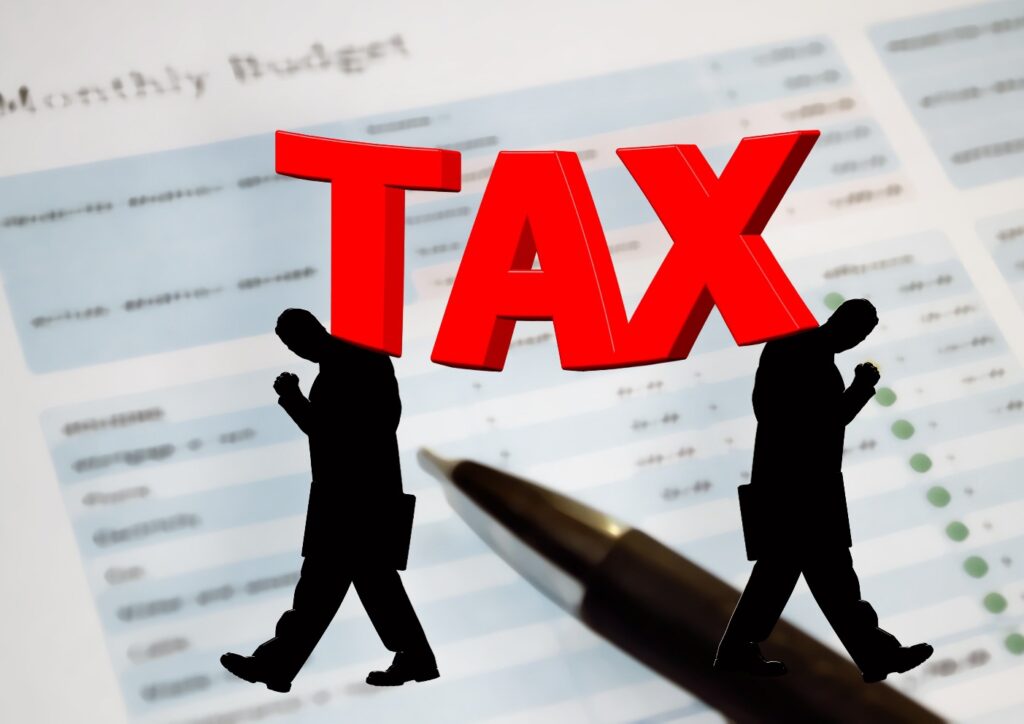
Image by Gerd Altmann from Pixabay
New Discounts and Exemptions: The “Support Shield”
To mitigate the painful impact of these hikes, the UK Government Council Tax Changes 2026 have introduced an expanded “Support Shield.” This is a brilliant new tier of discounts specifically for low-to-middle-income earners who don’t necessarily qualify for traditional benefits.
The Single Person Discount (SPD): Remains at 25%, but new verification rules mean you must re-confirm your status through a digital ID check this year.
The 2026 Energy Rebate: A one-off £150 credit is being applied directly to bills for properties in Bands A through E that meet new energy efficiency criteria.
Student and Caregiver Credits: There are improved exemptions for full-time students and live-in caregivers, which can reduce a bill by up to 100% in specific circumstances.
The “Empty Homes” Surcharge: A Warning to Landlords
A radical part of the UK Government Council Tax Changes 2026 is the aggressive new surcharge on second homes and long-term empty properties. Local councils now have the power to charge a 100% premium (double the normal tax) on properties that have been empty for more than 12 months, down from the previous 24-month limit.
This is a strategic move to force more housing stock onto the market and discourage “ghost homes” in high-demand areas. If you own an investment property or a second home in the UK, this critical change could double your tax liability overnight if the property isn’t occupied or listed for rent.
How to Appeal Your 2026 Valuation
Perhaps the most important part of the UK Government Council Tax Changes 2026 for the individual is the revised appeals process. If you believe your new valuation is incorrect, the “Challenge a Band” system has been streamlined.
However, a word of caution: an appeal can result in your band moving up as well as down. Before submitting a challenge to the Valuation Office Agency (VOA), it is essential to compare your property to similar houses in your street that have recently sold. In 2026, data is king, and a well-researched appeal is your best defense against an unfair tax hike.
Final Thoughts: Staying Ahead of the Tax Curve
The UK Government Council Tax Changes 2026 are a clear signal that the era of “stable” local taxes is over. As the government pivots toward a more localized funding model, the burden is shifting directly onto the homeowner.
While the new system aims for fairness, the transition is challenging. By understanding the new bands, utilizing the 2026 discounts, and being aware of the empty homes surcharge, you can protect your household from the most detrimental effects of these reforms.
Image by Mohamed Hassan from Pixabay
Sources and Citations
Official Banding: GOV.UK – Check Your Council Tax Band
Valuation Authority: Valuation Office Agency (VOA) – How to Challenge a Valuation
Policy Analysis: Institute for Fiscal Studies (IFS) – Council Tax Reform 2026
Consumer Support: Citizens Advice – Council Tax Discounts and Support
Also read more related articles here