

How to Start a Profitable Mini-Importation Business in Nigeria
Starting a mini-importation business in Nigeria is one of the most effective ways to generate consistent daily income without needing a massive warehouse or millions in capital. If you are asking how to succeed in this venture, the answer is simple: focus on solving specific consumer problems, start small by importing high-demand low-cost items, and master the logistics of delivery to your local customers. I learned that the mini-importation business in Nigeria thrives not because of huge bulk orders, but because of the ability to spot trends and act quickly.
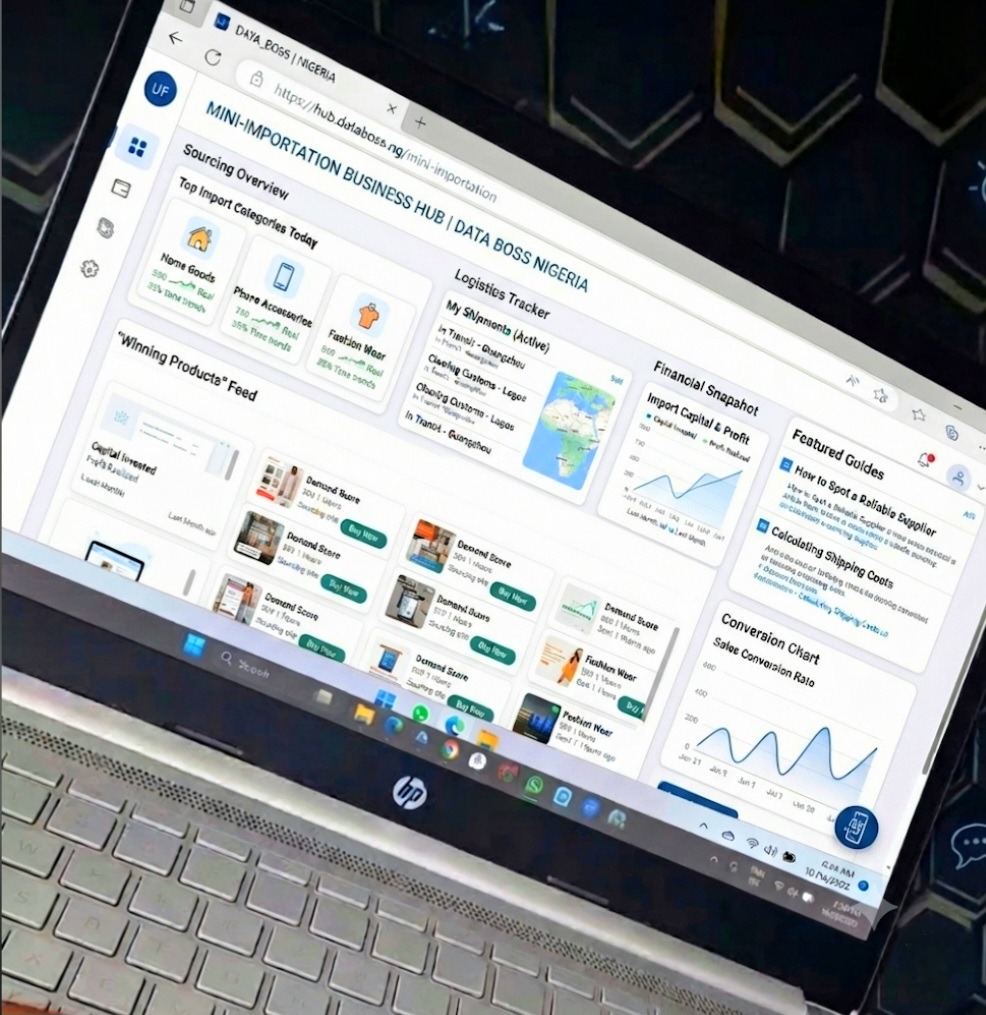
My First Steps into the World of Imports
When I first decided to look into the mini-importation business in Nigeria, I was overwhelmed by the “get rich quick” noise online. I quickly realized that the real mini-importation business in Nigeria requires patience and research. Instead of trying to import expensive electronics, I started with affordable beauty accessories. By focusing on products that people actually need, I kept my initial investment under ₦20,000. Checkout previous article on How I Turned My WhatsApp Status into a Daily Income Stream In 2026.
The Logistics of Success
A successful mini-importation business in Nigeria relies heavily on your ability to track shipments and manage costs. You must understand how to navigate shipping platforms and work with reliable freight forwarders. Industry experts suggest that streamlining your supply chain is the single most important factor for long-term growth.
Why Quality Matters
I often see people fail at the mini-importation business in Nigeria because they import low-quality goods just to save a few naira. That is a trap. If your customers are unhappy, they will not return. Your reputation is your greatest asset.
Tools for Growth
If you are serious about professionalizing your sales, Meta offers an official WhatsApp Business guide that helps you set up automated responses and a product catalog. Using these tools is a game-changer for your mini-importation business in Nigeria. You can organize your inventory efficiently and communicate professionally with leads.
Scaling Your Operations
As your mini-importation business in Nigeria grows, you should start looking into ways to automate your customer relationships. For those looking to scale, reputable platforms like HubSpot have documented how businesses can leverage direct messaging to build long-term customer relationships without being spammy.
Identifying Winning Products
Many beginners struggle because they don’t know what to buy. You don’t need a crystal ball to find profitable goods. Look for items that solve a daily pain point, like durable kitchen gadgets, phone accessories, or specialized clothing that is hard to find in local markets. Before placing a bulk order, test the market by purchasing a few samples. If they sell out quickly, you have your winner.
Managing Your Finances and Cash Flow
One of the biggest mistakes in the mini-importation business in Nigeria is failing to separate personal money from business capital. Even if you start with just ₦20,000, keep a strict record of every kobo spent on shipping, customs, and marketing. Reinvest your profits into larger orders instead of spending them immediately. This disciplined approach is what allows you to scale from a side hustle into a sustainable enterprise.

Building a Customer Base
Your business is only as good as your customer reach. Don’t wait for people to find you. Use your existing social media platforms to showcase your products with high-quality photos and honest videos. Explain why the product is useful and how it can improve the buyer’s life. Trust is the currency of the internet; the more honest and transparent you are, the faster your customer base will grow.
Frequently Asked Questions (FAQ)
I receive many questions from aspiring entrepreneurs across the country about the practical realities of running a mini-importation business in Nigeria. Here are the answers to the most common queries to help you get started.
Is the mini-importation business in Nigeria still profitable in 2024?
Yes, absolutely. While the exchange rate makes importing more expensive, it also makes locally available, affordable goods even higher in demand. The key to profitability in the mini-importation business in Nigeria today is to focus on high-utility, fast-moving items rather than luxury goods. Nigerians are actively looking for durable solutions to daily problems, and if you can source and supply these, your business will remain profitable.
Which countries are best to import from for this business?
Most successful importers in Nigeria rely on platforms from China, such as 1688, Alibaba, or AliExpress, due to the sheer volume and variety of goods available at factory prices. However, the “best” country depends on your niche. For fashion or unique clothing, some importers look to Turkey or even parts of Europe. For beginners, mastering the logistics from China is the most common and scalable entry point for a mini-importation business in Nigeria.
How do I handle shipping from China to Nigeria?
You have two main options: Air Freight and Sea Freight. For a mini-importation business in Nigeria just starting out, Air Freight is faster (arriving in 7-14 days) but more expensive. Sea Freight is much cheaper but can take 60-90 days. Most beginners use “logistics companies in Nigeria that specialize in China imports.” These companies handle the shipping, customs clearance, and deliver the goods to your doorstep (or a Lagos warehouse) for a single fee calculated per kilogram or CBM.
What is the best platform to sell my imported goods?
The best place to sell is where your customers already are. For the mini-importation business in Nigeria, this is overwhelmingly social media. Start with WhatsApp Status (as we discussed in our previous guide), Instagram, and Facebook Marketplace. These platforms allow you to showcase your products with zero listing fees and build direct, trusting relationships with your buyers. You don’t need a complex e-commerce website to start making daily sales.
How much capital do I really need to begin?
As I shared from my own experience, you can start a mini-importation business in Nigeria with as little as ₦20,000 to ₦50,000. This small capital is enough to purchase 5-10 units of a few different high-demand items to test the market. The goal with this initial capital is not to make a massive profit, but to learn the entire process: sourcing, paying, shipping, and selling. Once you sell that first batch, you reinvest the capital (plus profit) into a larger order.
Final Thoughts
The mini-importation business in Nigeria is not a path to overnight riches, but it is a proven path to financial independence for those willing to do the work. Start with what you have, stay consistent, and always put your customers first. You will face challenges with shipping and logistics, but these are learning opportunities that build a stronger foundation for your business. Take that first step today, your future self will thank you.

Udeichi Miracle Chinaza is a digital creator and graphic designer who specializes in creating clean, visual content. Passionate about making design accessible to everyone. I share practical Canva tutorials, layout tips, and creative shortcuts to help beginners and small businesses build stunning graphics with ease.